SummaryShort Description: The original route to Choquequirao. Descent into the Apurímac canyon, river crossing, 1,500-meter ascent to the ruins. Two full days at the citadel. 60 kilometers round trip.
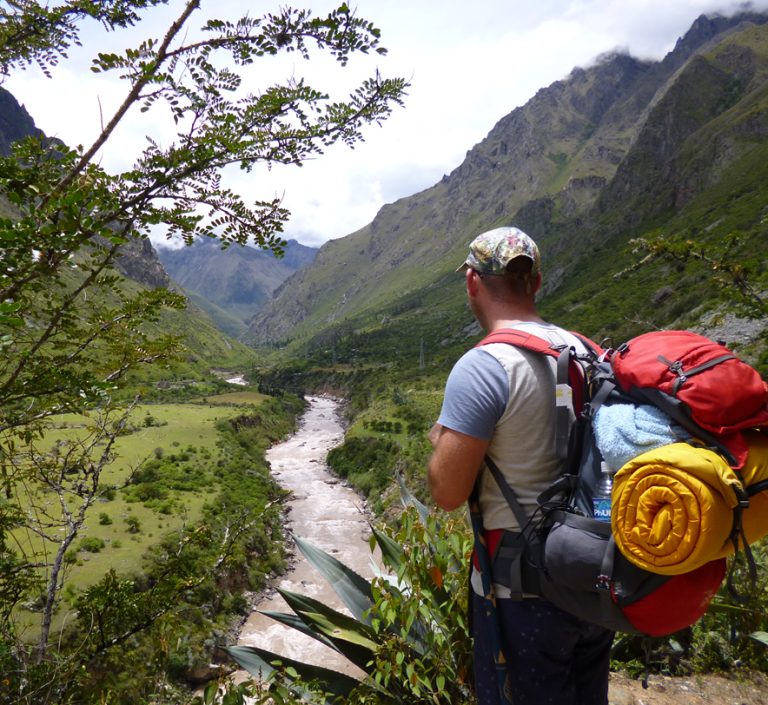
Choquequirao lies on the other side of the Apurímac canyon, one of the deepest on the planet. There is no road. There is no cable car. The only way to get there is on foot.
This 4-day trek takes you from the village of Cachora to the ruins and back along the same route. On the first day you descend 1,500 meters to the bottom of the canyon. On the second day you cross the river and climb another 1,500 meters to Choquequirao. On the third day you explore the ruins at a leisurely pace and begin the return journey. On the fourth day you complete the final ascent back to Cachora.
That’s 60 kilometers in total. The trail is demanding but not technical. You don’t need prior high-altitude trekking experience, but you do need good physical fitness and the willingness to walk between 6 and 8 hours per day.
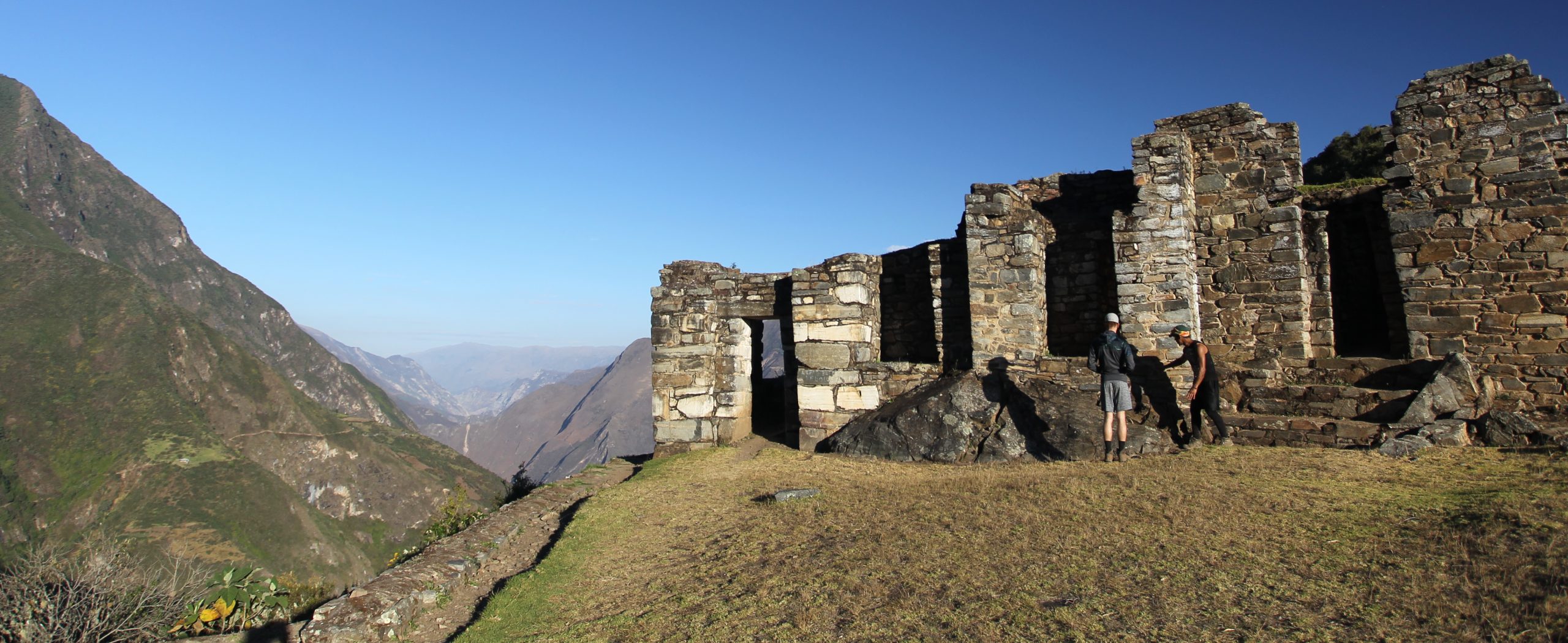
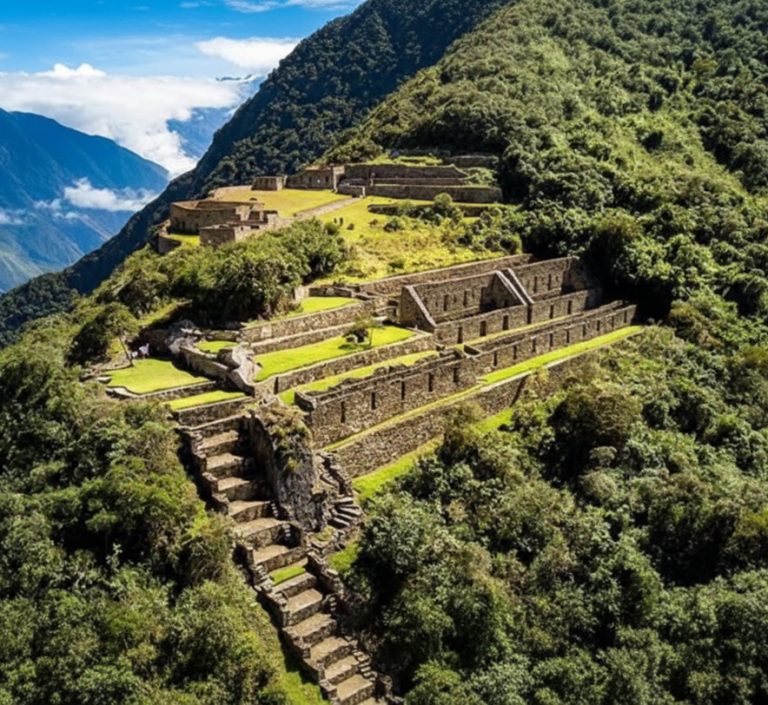
When you arrive at Choquequirao, you’ll have the ruins virtually to yourself. A maximum of 30 people visit the site each day. You’ll be able to roam the terraces, see the llamas carved in white stone, and stay until the sun disappears behind the mountains.
Itinerary
Day 1
Cusco → Cachora → Chiquisca
Distance: 12 km Elevation change: -1,500 m Walking time: 6–7 hours
Departure from Cusco at 5:00 in the morning. 4-hour private vehicle transfer to Cachora, passing through Limatambo and the Ramal junction. Breakfast in Cachora with views of the Padreyoc snow-capped peak.
Trek begins at Capuliyoc (2,900 m), where entry is registered. The path descends steadily along a well-marked trail with panoramic views of the canyon. Lunch stop at Cocamasana.
In the afternoon, the descent continues through vegetation that transitions from highland puna to dry forest. Arrival at Chiquisca (1,900 m) in the late afternoon. Camp setup, dinner, and overnight in tents.
Day 2
Chiquisca → Choquequirao
Distance: 8 km Elevation change: +1,500 m Walking time: 6–7 hours
Early breakfast and a 45-minute descent to Playa Rosalina (1,550 m), the lowest point of the trek. Crossing of the Apurímac River over a suspension bridge.
The ascent begins. The first 3 hours are the most demanding of the trek, with a constant gradient up to the hamlet of Santa Rosa. The trail winds through cacti, agaves, and wildflowers.
Brief rest at Marampata (2,850 m) with the first view of Choquequirao in the distance. Final hour of gentler walking through orchids and bromeliads to the entrance of the archaeological site.
Arrival at Choquequirao (3,050 m) at midday. Lunch with views of the ruins. In the afternoon, a first guided exploration of the main sector: the Haucaypata plaza, the main temple, and the terrace system. Sunset on the terraces. Dinner and overnight at the campsite within the archaeological complex.
Day 3
Choquequirao → Chiquisca
Distance: 8 km Elevation change: -1,500 m Walking time: 5–6 hours
Sunrise at Choquequirao for those who want to watch the sun rise over the mountains. Breakfast at the campsite.
Morning dedicated to exploring the more remote sectors of the complex: the llama sector with its 24 terraces decorated with white stone figures of llamas and their young, the priests’ quarter, and the viewpoint overlooking the Apurímac canyon. Approximately 3 hours of exploration.
Farewell lunch at the site. In the early afternoon the descent begins. The trail drops down to Playa Rosalina, crosses the river again, and climbs back up to Chiquisca. Arrival at camp at dusk. Dinner and last night in tents.
Day 4
Chiquisca → Cachora → Cusco
Distance: 12 km Elevation change: +1,500 m Walking time: 6–7 hours
Breakfast before dawn. Final ascent begins at 5:30 in the morning to avoid the midday heat. The trail climbs steadily for 5 hours to Capuliyoc.
Brief stop at Cocamasana to rest and drink water. Final two hours of climbing to Cachora. Approximate arrival at midday.
Celebratory lunch at a local restaurant. At 13:30, private vehicle departs back to Cusco. Approximate arrival at 17:30. End of services.
Included
Private transport Cusco – Cachora – Cusco
Professional bilingual guide (Spanish/English)
Expedition cook
Muleteers and pack mules
All meals: 3 breakfasts, 4 lunches, 3 dinners
Boiled and purified water throughout the trek
Trail snacks (fruit, crackers, chocolate)
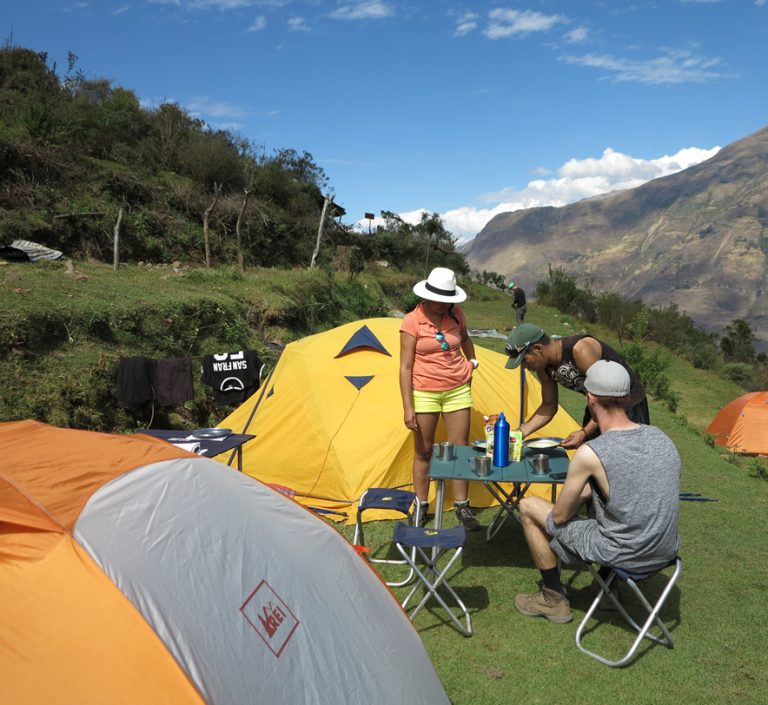
Shared double tent
Foam sleeping pad
Dining tent with table and chairs
Kitchen tent
Choquequirao entrance fee (S/. 60)
First aid kit
Emergency oxygen
Trekking poles (on loan)
Mule cargo service (up to 7 kg of personal luggage)
Not Included
Sleeping bag (rental available: $25 USD)
Tips for the team (suggested: $30–50 USD total)
Bottled drinks and extra snacks
Hot shower at campsites ($5–10 USD)
Travel insurance (mandatory – we can advise you)
Personal expenses
Price
From $500 USD per person Price based on a group of 4 or more people. Contact us for smaller group rates.
Group size
Price per person
2 people
$550 USD
3 people
$530 USD
4+ people
$500 USD
Private group (up to 8)
Contact us
What to Bring
Day pack (20–30 liters)
Comfortable walking clothes
Waterproof jacket
Fleece or warm jacket for cold nights
Worn-in trekking boots
Sandals for the campsite
Sun hat
Cold-weather hat
Sunscreen SPF 50+
Sunglasses
Headlamp
Water bottle (minimum 2-liter capacity)
Personal hygiene items
Camera
Cash for tips and extras
Recommendations
Arrive in Cusco at least 2 days early to acclimatize to the altitude
Train with 10–15 km hikes in the weeks leading up to the trip
Boots must be worn-in and tested — never break in new boots on the trek
Bring personal medication and consult a doctor about altitude sickness pills
Purchase travel insurance with trekking coverage at altitude
Departures
Daily departures year-round with a minimum of 2 people. Best season: April to November (dry season) Possible season: December to March (rainy season — trails more difficult)